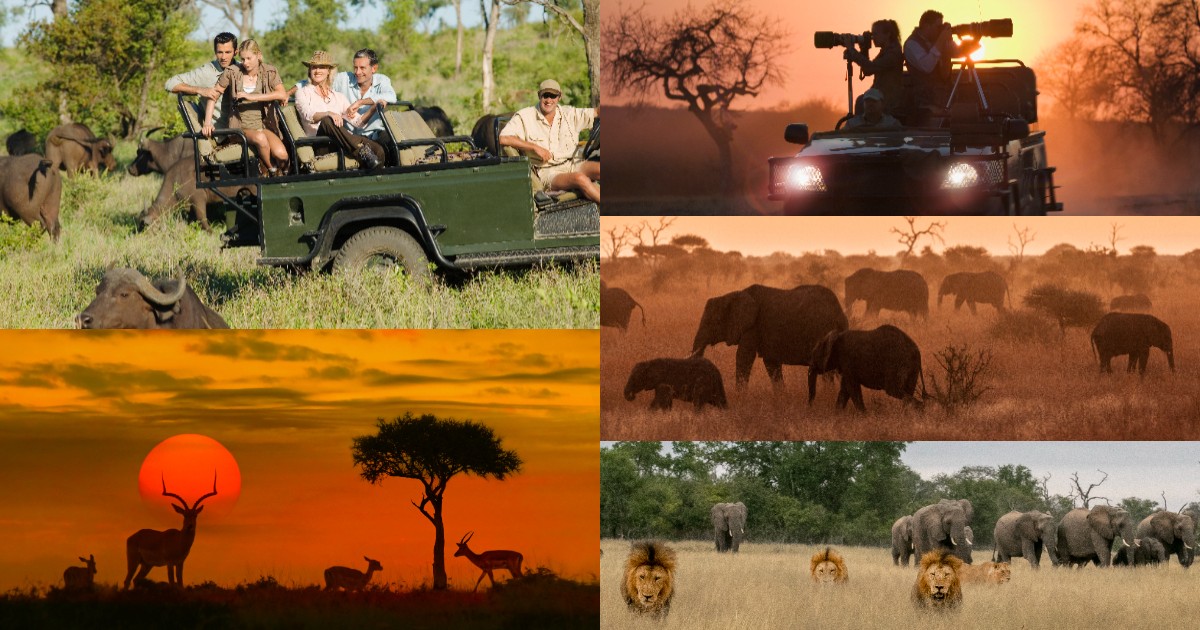
At a time when risk advisories highlight concerns about crime and security, the country’s tourist economy is booming, pushing travel jobs to 1 million and attracting millions of domestic and international visitors.
The warnings highlight violent robberies, carjackings, assaults, and airport stalking incidents, and advise being vigilant in cities after dark, among other precautions. Official guidelines from the United States say crime rates are “very high”, while New Zealand and others point to risks including civil unrest and even terrorist threats.
These recommendations have sparked a debate among travel and safety experts about how tourists should rate risk versus opportunity, and whether perceptions match reality on the ground. But in the broader economic picture, the trade and tourism data tell a strength story that industry leaders say is hard to ignore.
Tourism Defies Travel Warnings as Jobs Approach One Million
The latest statistics from the South African Department of Statistics and the World Travel and Tourism Council show that the sector’s overall contribution to the country’s economy now accounts for 9 percent of the country’s gross domestic product, a figure close to or an improvement on pre-pandemic results by many measures.
Analysts point out that tourism spending on accommodation, food services, transport and entertainment has increased more than most other sectors, as the global economy has slowed elsewhere.
“Tourism has a greater impact on GDP than before the pandemic,” said one tourism economist. The shift in spending and demand is prevalent across city holidays, luxury experiences and domestic travel, which is keeping many users out of the wider economy.
Employment in this sector is nearing a tipping point. Data from industry surveys show direct tourism jobs in hotels, restaurants, tourist destinations and attractions are approaching one million. When indirect and induced jobs in supply chains, construction and retail are added, total travel and tourism jobs in South Africa are estimated at 1.7 to 1.8 million, with 2025 projections showing that number could reach 1.9 million, the highest ever.
Officials emphasize that the impact of tourism activities is very important in the labor market where unemployment is still high. Government reports describe this sector as one of the richest sectors of the economy, especially for young people and women, and note the growth of employment not only in big cities but also in small towns and rural villages connected to wildlife and heritage trails.
Much of the impetus behind this job growth is due to an unexpected surge in domestic tourism. South Africans will make 38 million trips in 2023, almost a third more than in 2019, and early data points to sustained high levels until 2024. Domestic travel will generate more than $7.2bn in spending by 2023, converted from a capital of approximately R120bn, it provides a reliable source of income for workers.
Policy efforts appear to be strengthening this local growth through incentive policies, targeted markets, and improved regional integration. Road development and low-cost regional flights have enabled residents to find overnight accommodation in small towns, natural areas and coastal areas, spreading the benefits of tourism revenue across the country.
International Arrivals Climb Amid Security Advises

International arrivals are also increasing, although not yet at pre-Covid levels. South Africa has received about 8.9 million visitors in 2023, a significant increase from the previous year, and the first figures suggest continued growth in 2024. Destination markets in neighboring African countries are still important, while long-term tourism from Europe and North America shows renewed interest, driven by expanded air connectivity and favorable exchange rates for foreign visitors.
International tourists are also big spenders, with high-yield segments such as luxury safaris, wine tours, and business travel contributing disproportionately to receipts. Large events and gatherings in city centers increase the demand.
However, the relationship between increasing travel warnings and strong tourism data highlights a complex story. Analysts warn that although the sector’s conditions are good, safety concerns can affect the choice of destinations and travel behavior, especially among foreign visitors. Governments that issue travel advisories generally plan to inform their citizens, but business and industry voices argue that such warnings should be adjusted and balanced against the economic value of travel.
Looking ahead, organizers and industry associations are putting tourism at the heart of South Africa’s medium-term growth strategy, with the goal of raising tourism’s share of GDP to 10 percent and generating 2.5 million jobs by the end of the decade. Achieving those goals will depend on continued investment in infrastructure, addressing issues such as skills shortages and safety concerns, and balancing growth with sustainable practices.
Despite these challenges, South Africa’s tourism story is one of adventure and sacrifice, tightly woven into the country’s economic narrative, and offers lessons on how countries can recover from global stressors as they navigate the complexities of security and sentiment.
#South #Africa #reports #tourism #boom #defies #travel #warnings #jobs #million