NEW YORK / WASHINGTON
Rising oil prices due to US and Israeli attacks against Iran, and Tehran’s retaliation, leading to a war in the Middle East that raised oil prices and fueled economic volatility, causing Wall Street to shed billions of dollars in the first month of the conflict.
Concerns about prolonged conflict have dampened investors’ appetite for risk.
US and Israeli attacks on Iran as talks between Tehran and Washington continue, and Tehran’s retaliatory attacks on neighboring power facilities and the closure of the Strait of Hormuz, have crippled shipping in the region and disrupted the flow of oil, sending markets into turmoil.
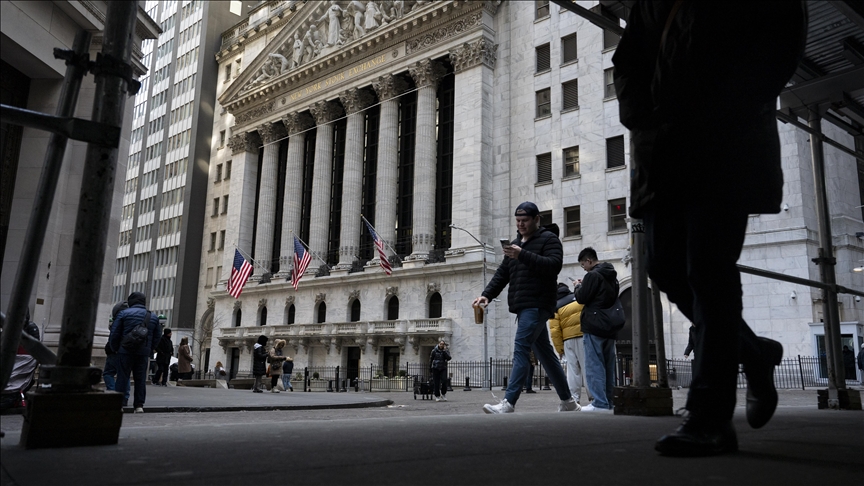
The US stock markets, which the President of the United States Donald Trump often mentions for their strong performance, are affected, dominated by selling pressure.
Since the attacks began in late March, Wall Street stocks have wiped out billions of dollars, while rising industrial costs and trade barriers have affected the Dow, which fell 7.7% against pre-war levels.
The S&P 500 lost 7.8% and the Nasdaq 8.3% last month.
The Dow and Nasdaq indexes have entered correction territory since last month, down more than 10% from their peaks.
Trump said he expected oil prices to rise further and stock markets to fall further due to the situation in Iran, but said the disruption was not as severe as he had expected.
However, the situation seems very dire. Obstacles in the Strait of Hormuz, which is responsible for the transportation of a fifth of the world’s oil, have been the main cause of lack of confidence in the markets.
The world is facing one of the worst energy supply crises since the oil boom of the 1970s, according to the International Energy Agency (IEA).
Oil prices have risen sharply amid supply concerns since the war began, with Brent crude trading between $70 and $80 before the war to more than $110 a barrel.
Trump threatened to hit Iran’s energy infrastructure if Tehran did not open the Strait of Hormuz to traffic, but extended that deadline by five days last week.
Oil prices fell after Trump’s remarks, which eased concerns about the possibility of a ceasefire in the region, but oil rose again later in the week.
Trump said on March 26 that he had delayed a decision to target Iran’s energy plants until April 6, while saying that negotiations were ongoing and good.
The rise in oil prices has hit the stocks of airlines, logistics firms and tourism companies hard.
The rise in fuel costs hit US airlines hard, as fuel makes up about a third of their operating costs.
American Airlines, Southwest Airlines and United Airlines lost nearly 30% due to rising fuel prices and flight restrictions in the region.
Global security concerns and expectations of higher airfares have led to a rally in tourism stocks.
Shares of other oil and natural gas firms outperformed despite a broader market sell-off, as higher Brent prices boosted gains.
ExxonMobil, Chevron and ConocoPhillips rose between 12% and 17%, enjoying highs.
Washington took a variety of measures to reduce rising energy costs, from holding on to policy savings to restrictive sanctions, but the situation continues.
With winter in the rearview mirror and spring in the air, more and more drivers are on the road, increasing demand and contributing to higher gas prices in the US.
The average price of gas was estimated at $3.99 per gallon, up from $2.98 last month, according to the American Automobile Association (AAA).
Gas prices rose around $1 a gallon last month, or 26.3% year-over-year.
The average price of gas could reach $4 in the coming days for the first time since August 2022, AAA warned.
Gas prices vary by state. California, where gas is the most expensive, saw $5.87, a 50% year-over-year increase.
Amid escalating conflicts and rising fuel prices affecting sectors such as transport and agriculture, concerns about inflation are rising.
The Fed, which has long sought to lower inflation to its 2% target, may again face upward pressure.
Fed Chairman Jerome Powell said at a press conference on March 18 that developments in the Middle East and their impact on the US economy were uncertain, but energy fears raised inflation expectations.
Powell said the rise in energy prices will increase inflation in general, but it is too early to tell the extent and timing of the economic effects.
Powell, speaking at Harvard University on Monday, said the Fed’s policies are in a good place for now as the bank takes a wait-and-see approach.
Financial markets are expecting some easing from the Fed this year despite two estimates cut ahead of the crunch.
The possibility of rate hikes this year also looms large.
Meanwhile, government bonds rose and the US dollar strengthened as energy prices rose, leading to expectations that monetary policy would remain tight for longer.
The US 10-year bond yield, which had been falling throughout February before the war, changed from 3.96% at the end of last month to 4.5% as of last week.
The US Dollar Index, which experienced some losses at the beginning of the year, rose from 97 – 98 before the war to above 100, reaching its peak of the year. The index rose around 3% against pre-war levels.
*Written by Emir Yildirim Istanbul
The Anadolu Agency website contains only part of the news stories provided to subscribers of the AA News Broadcasting System (HAS), and in general. Please contact us for subscription options.
#American #markets #big #selloff #due #Middle #East #conflict